Introducing Qodo 3.0: Quality and Governance for the Agentic Software Factory

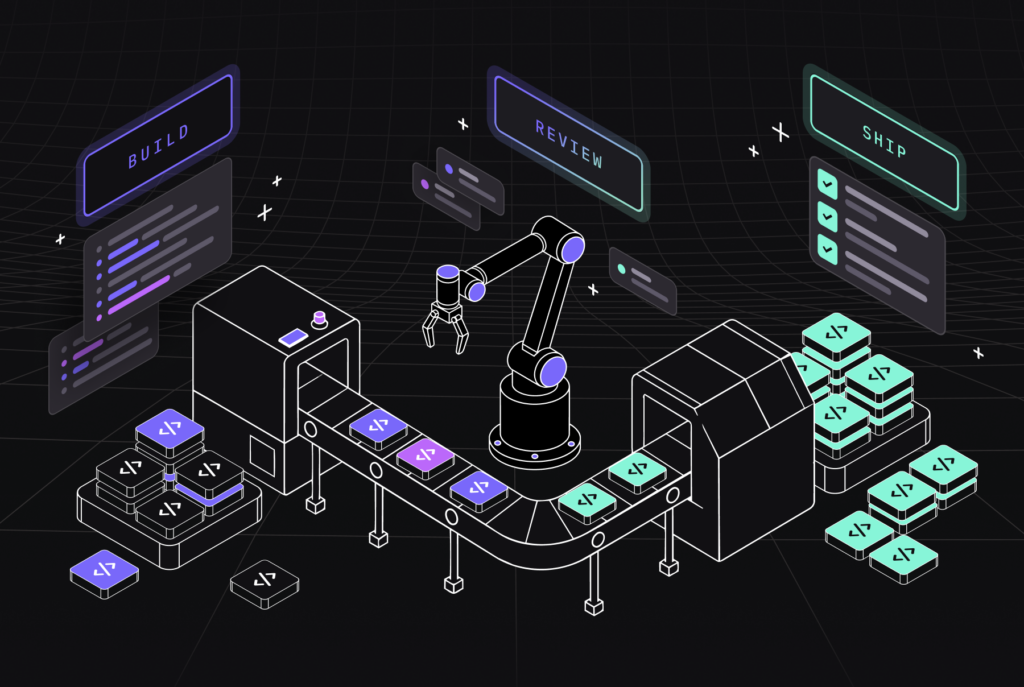
Engineering organizations are building toward an agentic software factory, where agents take on more of the work at every stage of the SDLC, and the systems that govern quality need to keep pace with that shift.
As the software factory takes shape, engineers take on a greater responsibility to preserve judgment. They define the standards agents work against, decide what to trust, and know when to intervene. Verification becomes a craft in its own right, built into how the factory operates.
Today, we’re introducing Qodo 3.0, the next generation of our AI Code Quality and Governance Platform, built to help engineering teams protect quality across the software factory at scale. The release of version 3.0 extends Qodo’s capabilities to the agents in the enterprise software factory and introduces new ways to govern code quality at scale. Qodo 3.0 brings your team’s standards into the tools agents use to write code, organizes agent output into the work packages it belongs to, maps what each change touches across your system, and gives leaders visibility into quality across the entire pipeline.
These changes reflect a broader shift in how software gets built. Itamar explores what that means for engineering leaders in our CEO, Itamar Friedman’s latest post.
Why governance has to cover the whole loop
As code generation gets faster, more work reaches the review queue. Related changes arrive across repositories, and reviewing each PR in isolation can hide what the team is actually building. Reviewers need to understand the whole change, its dependencies, and what still needs attention before it can ship.
The feedback we hear from engineering leaders and tech leads keeps coming back to a few problems:
- Agent output is hard to make sense of. One task can turn into fifteen PRs across four repos, with no clear signal about which ones belong together or where to start reviewing.
- Standards get applied too late. Teams want agents writing to their conventions from the start, so fewer avoidable issues reach the pull request.
- The system has outgrown anyone’s mental model. After years of growth and acquisitions, many organizations run thousands of repos across several git providers, and few people can say with confidence what a given change will break.
- Many teams sit outside the tools built for cloud GitHub. Large parts of the enterprise work in Gerrit or behind a strict perimeter, where code cannot leave the environment or reach a third party model API.
Connecting this workflow takes a shared understanding of how your software works: its code, dependencies, standards, and the lessons in its review history. Qodo puts that knowledge to work across the software factory, helping agents make better decisions and reviewers understand which changes need their attention.
What’s new in Qodo 3.0
PR Triage: review the work package
PR Triage, available today in Research Preview, gives tech leads a place to start the day. It groups related pull requests into work packages across repositories and Git providers, showing the feature or capability being built and the PRs behind it.
Opening a work package brings together the information a reviewer needs:
- Blast radius: the areas of the codebase the change could affect.
- Review difficulty: how much effort the review is likely to require.
- Time waiting: how long the work has been open
- Review order: the sequence for working through its PRs
Prioritization surfaces important findings, blocked work, and overdue reviews, helping teams decide where to focus. Tech leads can sort by priority, SLA, or age, and switch to a board view to see how work is progressing.
Claiming keeps ownership clear across the team. When a reviewer claims a work package, teammates can see who is working on it, reducing duplicate reviews and making handoffs easier.
For deeper review, Qodo can generate a brief to hand to a coding agent such as Claude Code or Codex. The brief carries the PR relationships, blast radius, and review order into the agent’s workflow, giving it the context to review the change as a whole.
The queue follows your team’s PR activity, so there is no separate board to maintain by hand.
Your standards, inside the agent’s workflow
Your team’s standards should shape code from the start. Through the Agentic Toolbox, coding agents can retrieve relevant Qodo rules and codebase context while they work, applying the same organizational guidance used during PR and IDE review.
Qodo 3.0 also makes it easier to bring existing standards into that workflow. Teams can opt in to importing guidelines from selected repositories, turning them into Qodo rules alongside conventions discovered through Rule Miner. Improved rule relevance helps reviews focus on the guidance that matters for the change.
The Toolbox also brings Qodo’s review into the coding agent’s workflow. Agents can have local changes reviewed, address the findings, and request another review before opening a PR. Teams catch problems while the work is still taking shape, reducing the fixes and back-and-forth that would otherwise reach human reviewers.
Software Map: see what changes could affect
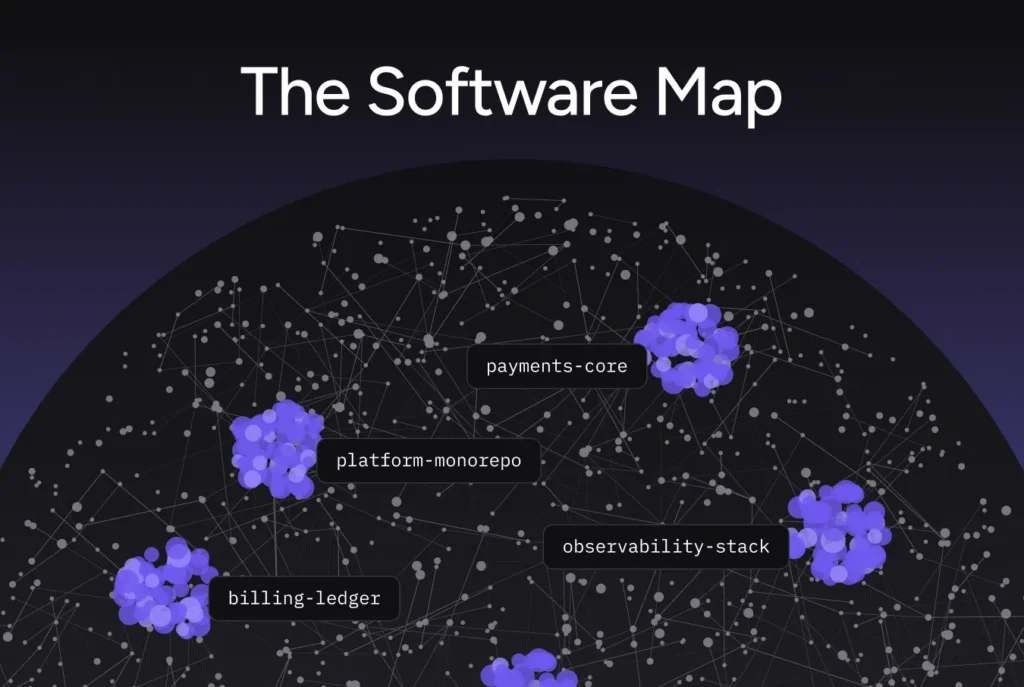
A change rarely ends at the edge of its repository. The [Software Map] shows how repositories and services connect, helping teams understand the wider impact of a work package before review starts, and engineering leaders get a current view of the work they are reviewing.
The map stays current as PRs change the system and provides context for understanding blast radius in PR Triage. Tech leads can investigate downstream dependencies, while engineering leaders get a shared view of how the system fits together.
Quality metrics leaders can report on
Leaders need to know what review is catching, whether issues are being fixed, and where the team still needs to act. Qodo 3.0 brings that visibility into the new analytics dashboard in the Qodo portal:
- Quality at a glance: findings, fix rates, and unresolved issues across teams and repositories.
- Drill-down to the source: access to the PRs and findings behind the metrics.
- No separate reporting process: the dashboard uses activity captured through your connected development workflow.
These views give engineering leaders concrete review outcomes to discuss with their teams and a way to track how their use of Qodo develops over time.
Get started faster
Guided onboarding helps teams connect their Git provider, choose a review configuration, and get started with the Agentic Toolbox. Recommended presets provide a starting point that matches the team’s priorities, with room to refine the configuration as they use Qodo on real work.
Built for where enterprise code lives
Governance needs to reach the teams working across your organization’s tools, infrastructure, and security requirements. Qodo 3.0 extends that reach:
- Git-provider parity, including Gerrit: Qodo brings the same review, standards, and PR Triage experience across GitHub, GitLab, Bitbucket, Azure DevOps, and Gerrit. Teams can apply consistent quality and governance across their software factory, wherever their code lives.
- Full on-premises and air-gapped deployment: the whole platform, including the Context Engine and Agentic Toolbox, runs inside your environment, keeping codebase understanding within your perimeter along with the review itself.
- Self-hosted model support: run reviews with supported models hosted in your infrastructure, including NVIDIA Nemotron, through your own model gateway.
What comes next
As agents take on more of the SDLC, teams need quality controls that work throughout development. Qodo 3.0 connects the guidance agents use while coding with the context reviewers need and the outcomes leaders track.
PR Triage launches in Research Preview, and we’ll continue expanding it based on how teams use it. The goal is consistent across these workflows: catch consequential issues earlier, make review manageable, and help teams spend less time untangling and reworking agent output.
Build quality into your software factory with Qodo. Book a demo.